Beyond talk shops, GWF's rural education model offers South Africa a real-world jobs fix
By Kate Groch, Good Work Foundation CEO, and Wade Witbooi, Amplify Investment Partners MD
While world leaders in politics and business gathered in Johannesburg for the annual G20 summit and the B20 meeting in November 2025, South Africans were on the ground, already providing practical answers to some of the world’s pressing questions.
One of the B20’s eight task forces aims to help reduce global unemployment and underemployment by encouraging G20 governments and policymakers to invest in tools that reflect the dynamic changes taking place in the world and support social, economic and political stability.
When it comes to finding the sweet spot between education and employment, we in South Africa already have a model that works.
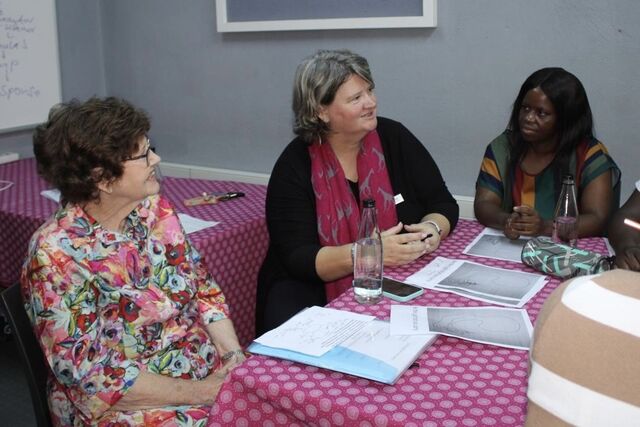
Amplify Investment Partners and several other companies have joined forces with GWF, which has pioneered an effective ecosystem of learning and training coupled with employment, specifically for rural communities. The NPO’s strategic partnerships with corporate entities such as Sanlam, Absa, Investec and Konica Minolta facilitate access to skills training, work-readiness and sustainable employment.
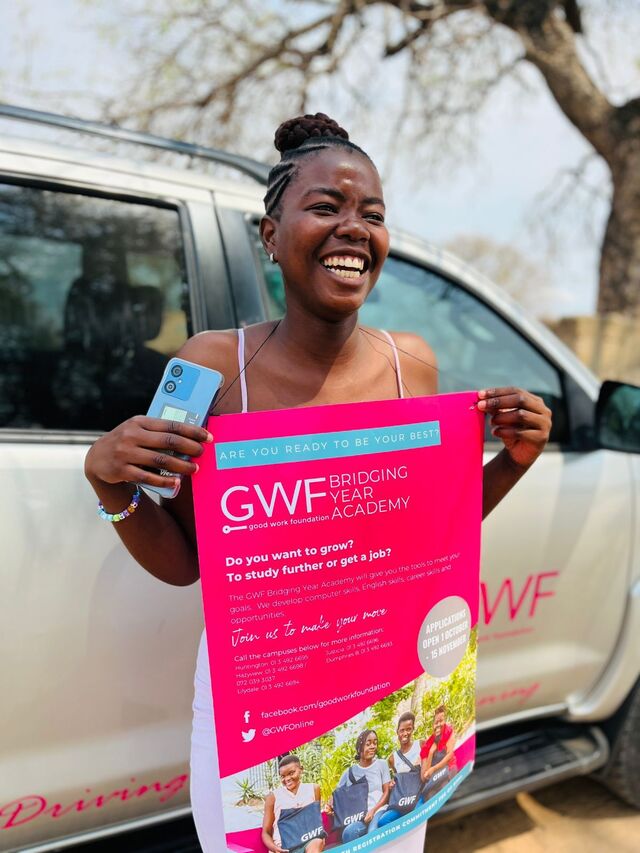
Since its 2012 inception, GWF has reached more than 76 800 learners and students. Of its Bridging Year Academy students, approximately 50% go on to employment, further studies, entrepreneurship, internships and the GWF Career Academies specialising in hospitality, IT, conservation and facilitation skills. More than 75% of its Career Academy graduates are absorbed into jobs or pursue further studies.
Furthermore, in 2024 alone, more than 9 500 GWF Open Learning Academy primary school learners in Mpumalanga and the Free State benefited from digital-led education.
Bridging the gap between learning and earning
IT technician Katekani Whitney Ngobeni is just one of the thousands of GWF graduates whose story illustrates the effectiveness of GWF’s model.
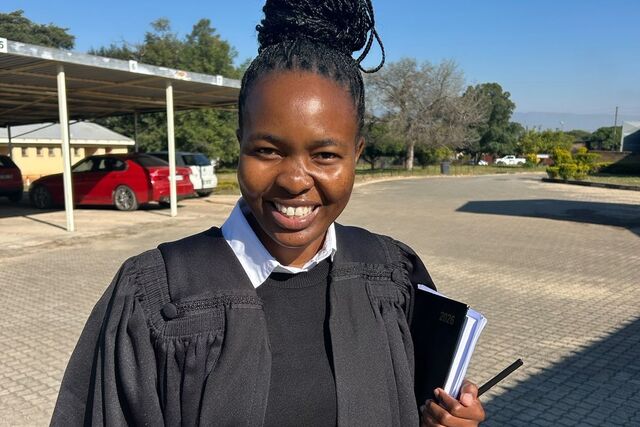
Ngobeni, who grew up in the Mpumalanga village of Thulamahashe, always wanted to work in IT. “When I got the internship at GWF in 2023, I counted myself lucky because it gave me an opportunity to gain workplace experience and learn more about information technology,” she says.
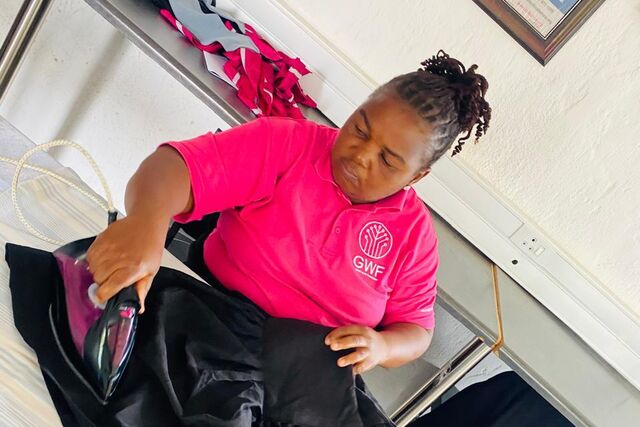
Thanks to the training she received at GWF, Ngobeni is now able to assist her community with IT-related issues. She is also working as an IT technician at GWF and is financially independent – a rarity for a young person in South Africa, especially one who lives in a remote rural area.
In the third quarter of 2025, South Africa’s Quarterly Labour Force Survey put the official youth unemployment rate for young people between the ages of 15 and 34 at 43.7%. Mpumalanga’s expanded unemployment rate (including people who have given up on looking for a job) for the same quarter was 48.4%.

Creating sustainable impact makes business sense
Amplify is one of several corporate entities that support GWF’s six digital learning campuses. For Amplify, balancing the realisation of financial objectives with creating sustainable impact for future generations has been at the core of its ethos since inception.
GWF’s partnerships with Amplify and others (including government entities such as SANParks) are also boosting South Africa’s attempt to realise the United Nations Sustainable Development Goals by the 2030 deadline. Many of these goals are echoed in the country’s own National Development Plan, which has the same time limit.
We believe it is encouraging that the G20 and B20’s global goals on skills and employment are already being achieved in parts of South Africa through effective public-private-civil society collaborations such as these. In short, South Africa has tried-and-tested models that are working – and that can be replicated, emulated and scaled.
Tapping into the wildlife economy
Five of GWF’s campuses are located in communities bordering the Kruger National Park and the Sabi Sands Game Reserve, which are connected, allowing animals in both wild spaces to roam freely.
South Africa’s conservation economy holds strong potential as a job creator, and GWF’s alliance with safari lodges and private game reserves has helped to design the non-profit’s Hospitality and Conservation Academies. The establishments guide GWF on their workplace needs, and the non-profit’s aligned training programmes ensure young adults acquire the appropriate skills. Partners also provide GWF with practical training space, allowing students to shadow people in various departments.
Importantly, GWF also focuses on broadening learners’ and students’ understanding of the wildlife economy. Because many people living on the borders of reserves are unaware of what happens inside these wild spaces – and have not even witnessed a lion or elephant in the wild – it is vital to address conservation issues such as poaching and protecting wildlife with them at a young age.
Many of GWF’s conservation partners now approach the non-profit first to recruit graduates as interns and often go on to offer these interns full-time employment. Students gain quality practical work experience in a well-established organisation, and the business receives reduced-risk resources – a win-win situation.
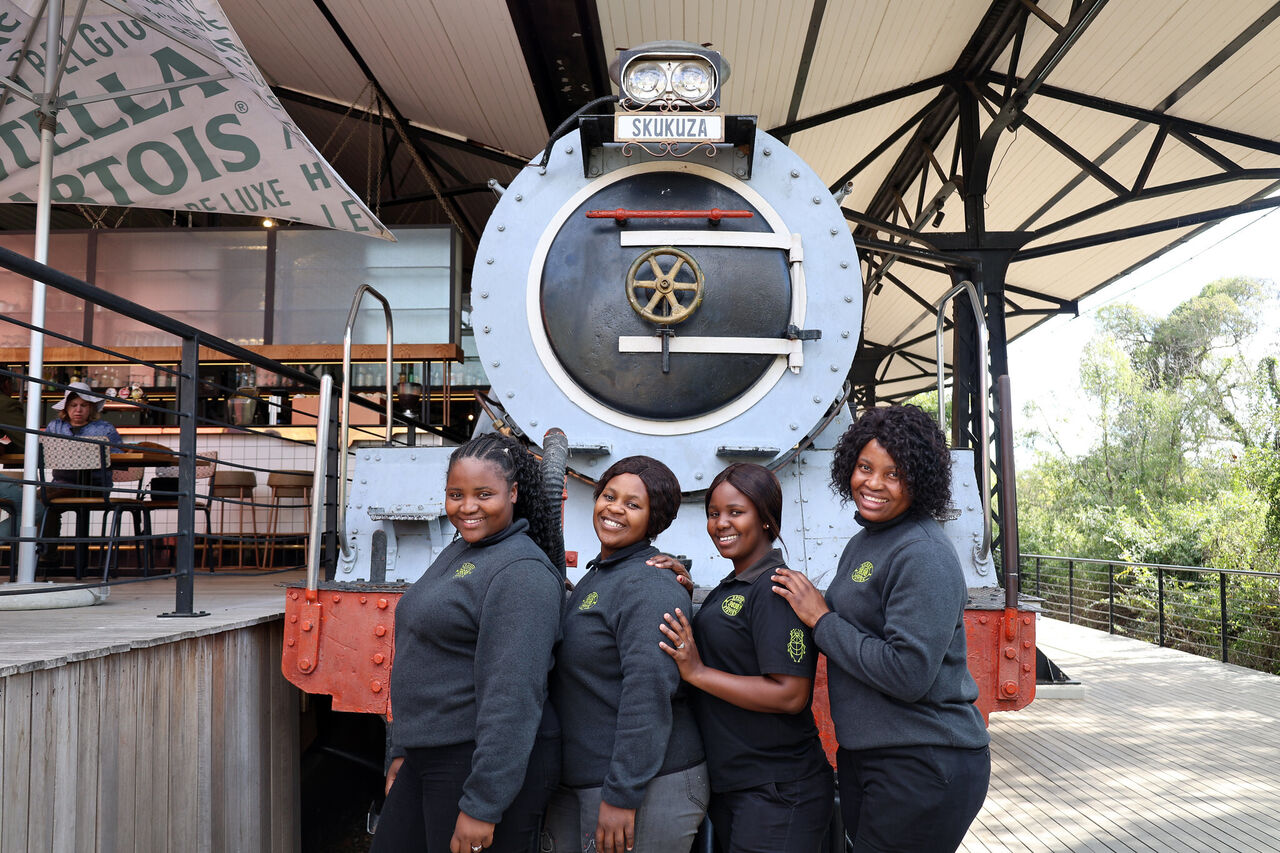
Young women such as Lwazi Thobela, Vutivi Mthimkhulu and Mampho Makofane are great examples of the GWF effect at work. Each grew up in a community bordering the Kruger National Park, studied at GWF and went on to work at Kruger Shalati, a luxury hotel housed in a set of train carriages on the Selati Bridge over the Selati River in the park’s main camp – Skukuza. They are proudly supporting their families in an area where unemployment is rife.
Partnerships such as those GWF has forged with corporate entities are already fulfilling the B20’s Employment and Education Task Force’s quest to find practical, effective ways to improve skills, reduce the gap between learning and earning, and enable more people to find sustainable employment.
As two entities – an education non-profit and an investment management company – that have witnessed the success of this model in practice, we firmly believe that it can serve as a template for further partnerships that span civil society and the private sector.