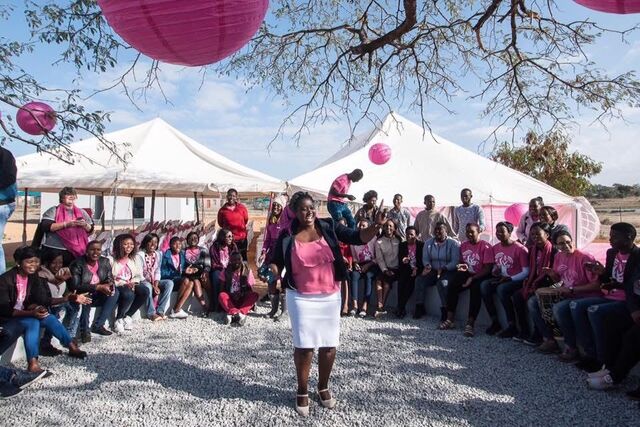
It takes a village to raise a child, goes the famous African proverb. When you work in remote areas, it also takes a village to build and nurture a new educational institution.
That's why Good Work Foundation (GWF) closely involves the community when planning its life-changing digital learning campuses in rural Mpumalanga.
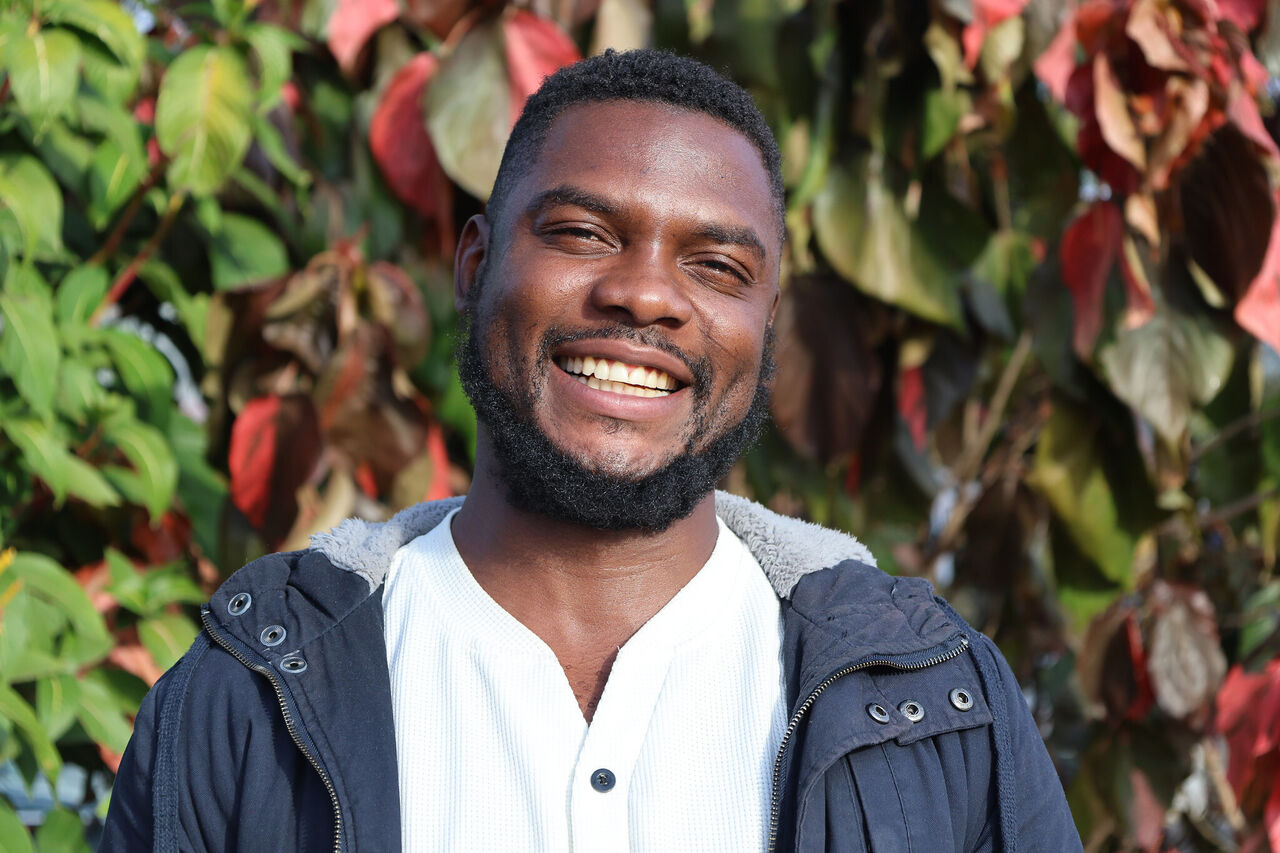
Fumani Mathumbu, special projects manager, says building new learning centres in underserved areas can be a vital catalyst for economic development. In fact, this dynamic young trailblazer is himself a beneficiary of the transformative impact that GWF’s ecosystem of learning and working can yield.
But when mapping out a campus, it’s important to act in good faith by involving the communities themselves from the outset, he adds.
That’s why a campus committee has already been established for GWF’s seventh campus, earmarked for the village of Dixie in the remote Manyeleti region of northern Mpumalanga – months before the first brick has been laid.
“One of the most exciting things about building a new GWF campus is getting to know the community that will be hosting us,” explains Fumani, who is coordinating the planning for the envisaged new campus.
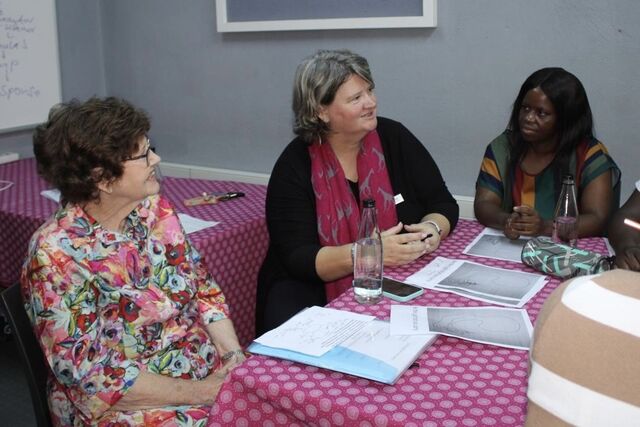
“For me, the first place to start is by consulting the traditional authority in the village and asking the induna to be on our planning committee. Then, with the Dixie project, we’ve also invited the village ward councillor, a local school principal who chairs the project, a community development forum leader, a youth leader and representatives of various non-profit organisations in the area.”
A sense of ownership and pride
He believes that adopting a consultative and collaborative approach to building new learning centres ensures that the community buys in and feels a sense of ownership – not to mention pride. This has always been the GWF way since the inception of our hub-and-spoke model (a central campus that supports several smaller “satellite” campuses) in 2012.
“When identifying a site for a new campus, we first ask: Is it remote? This is because we specifically want to work in rural South Africa, where the need for education is the most pressing,” Fumani explains.
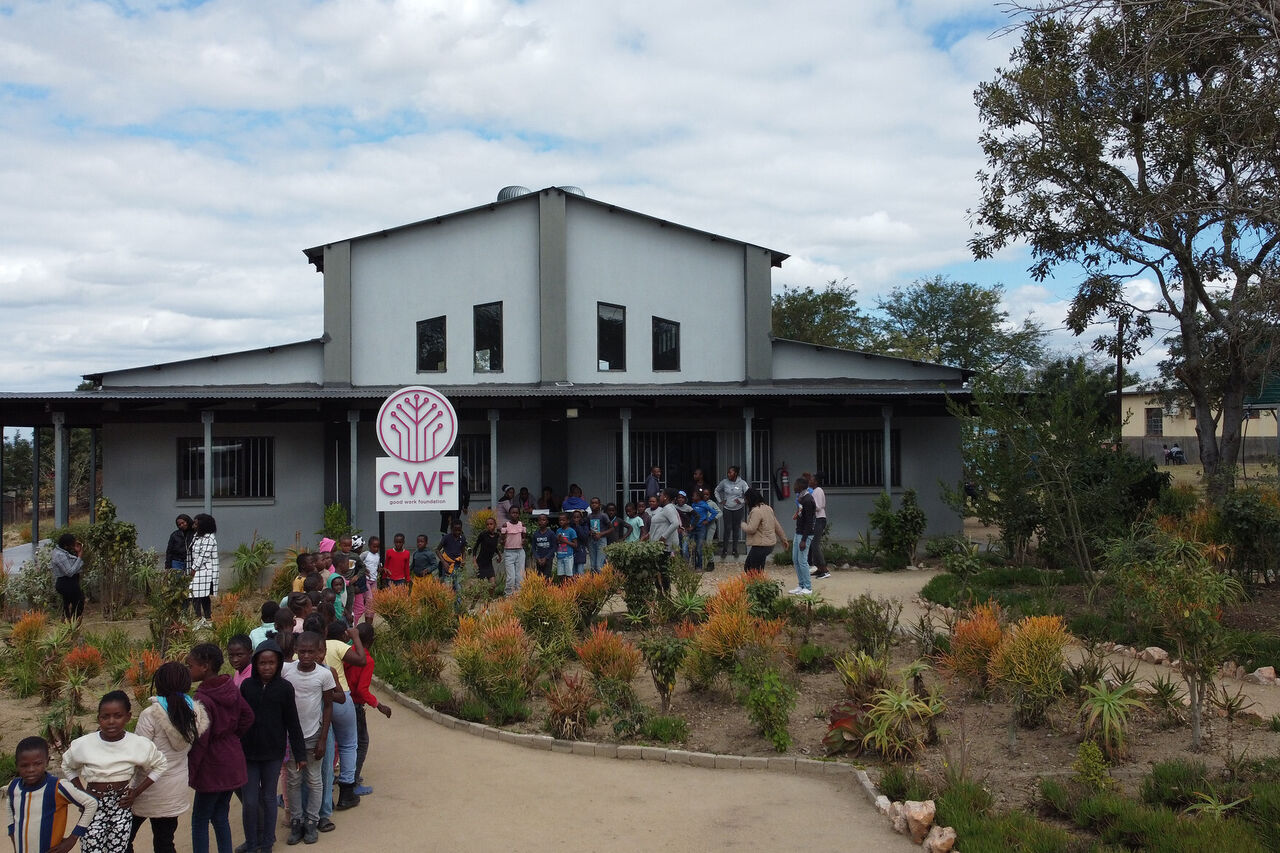
“We also look at how we can change the face of the community for the better. If you look at Justicia [in Bushbuckridge, bordering the Sabi Sand Nature Reserve], in the past young people had to leave the village to get further training. But after we established a satellite digital learning campus there in 2016, they can now access digital learning right on their doorstep.”
Fundraising is under way for the Dixie campus, which will be built on the Hananani Primary School grounds, where GWF is already running its Open Learning Academy lessons.
‘A dream come true’
Another GWF employee who is excited about this development is Anorld Mdhluli, manager of our Open Learning Academy. “It’s a dream come true for me, as a rural-born person who grew up thinking I would be unable to reach my dreams,” he enthuses.
Anorld was raised in the rural community of Seville B (Makrepeni) that adjoins Dixie village, an area with high poverty and unemployment, and with sparse educational infrastructure.
“Ten years ago, GWF CEO Kate Groch promised me that one day they would build a campus in the villages I’m from. I still have the piece of paper she signed. When I was told last year, ‘Anorld, your dream is about to come true,’ it was music to my ears – I couldn’t believe it.”
As a graduate of GWF’s Bridging Year Academy who has worked his way up through the ranks to manage our Open Learning Academy programme, Anorld knows first-hand how a quality education can change lives – including his own. He is also currently studying community development through Unisa.
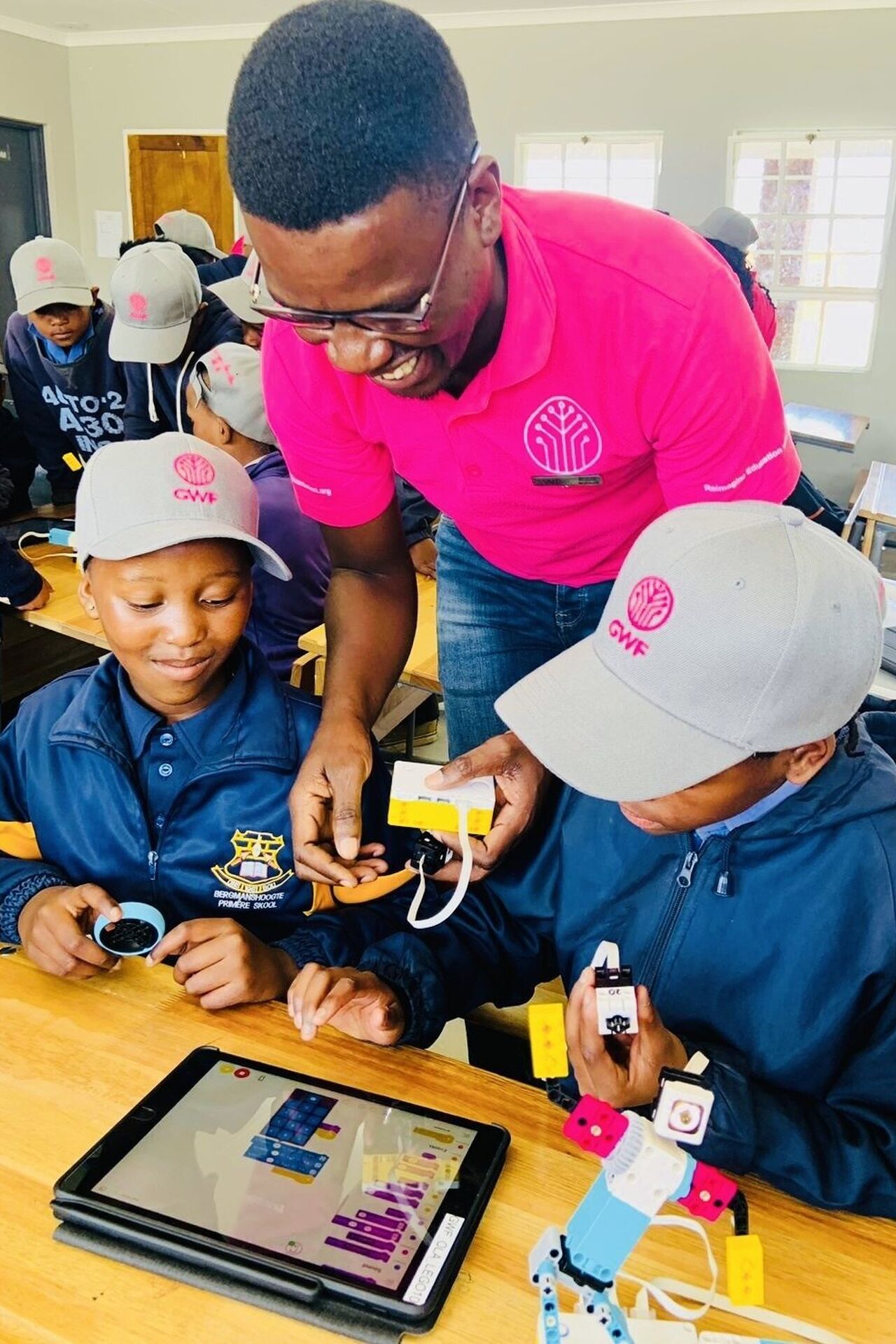
“Back when I started studying at GWF, I thought computers were for listening to music and watching movies. Through exposure to digital learning, I realised that they can open up new worlds of possibility. Every day in my work, I see kids smiling and enjoying using tablets and computers. I truly appreciate seeing GWF reaching the villages that I come from, so they can enjoy the same benefits.”
Economic benefits of a new campus
Besides the educational pluses, there is long-term economic value in building a new campus. Explains Fumani, “Villages like Justicia and Dixie are very isolated, and generally there isn’t a lot of traffic going in and out. But once you have groups of students coming in from neighbouring villages, then you start seeing a lot of taxis. This increased traffic flow also helps grannies who need to leave the village to get their social grants.”
Internet connectivity in these villages is limited, but a new GWF campus brings with it access to digital infrastructure. Spaza shops spring up, vendors sell snacks to students, local transporters are contracted to bus schoolchildren to GWF’s campuses, and young entrepreneurs explore new ventures such as internet cafés.
Adds Fumani, “We also host a lot of events on our campuses, so we have a database of local caterers who we use. These spaces aren’t just for GWF learning programmes but are collaborative spaces that are used for community activities, creating a ripple effect of benefits.”