Digital dreams: how rural high school learners are coding up a storm with GWF during National Science Month
As South Africa observes National Science Month in July, thousands of rural Grade 8 and 9 learners in remote villages in Mpumalanga and the Free State are daring to dream of careers in coding, robotics and engineering with the support of Good Work Foundation (GWF).
Over the past three years, we have ramped up our coding and robotics “immersions” for high school teenagers living in communities in the Bushbuckridge area in Mpumalanga, and in the Free State Karoo town of Philippolis.
By using technology, creativity and hands-on learning, GWF’s committed educators are helping bridge the digital divide separating these learners from their urban peers.
What started in 2024 as an experiment targeting 290 learners at one public high school has grown to benefit almost 2 500 learners at eight high schools every week.
These high school students join more than 6 000 Grade 5, 6 and 7 learners who are already exposed to coding and robotics activities every year at our six digital campuses. This means primary school learners’ exposure to STEM remains uninterrupted as they enter high school at a critical time when they are beginning to think about which careers to pursue.
Opening up new career options
Driven by GWF, the coding and robotics immersions are being enthusiastically embraced by rural teens who are brimming with a complex mix of hope and uncertainty about their future in areas where more than 70% of youth are unable to find work.
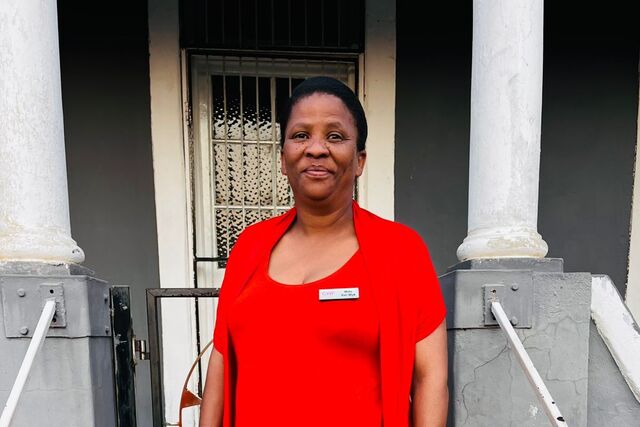
“It’s been an incredible success, and the learners are really enjoying it,” says Patricia Ubisi, a coding and robotics coordinator at our Hazyview Digital Learning Campus.
“What we are doing with them relates to their school work, but with a digital focus,” she adds.
GWF recently surveyed participating rural learners, and found that 80% reported becoming more confident in Mathematics and Science at school as a result of these lessons, while half had developed a greater interest in pursuing STEM-related careers.
“Coding and robotics activities teach them to think logically, solve problems and break complex tasks into small, manageable steps,” says Ubisi.
“This encourages creativity, perseverance and innovation – the learners learn from their mistakes and figure out solutions to problems.”
Furthermore, the hands-on group exercises help learners to hone their teamwork, communication and collaboration skills, Ubisi adds.
Using coding to foster teamwork
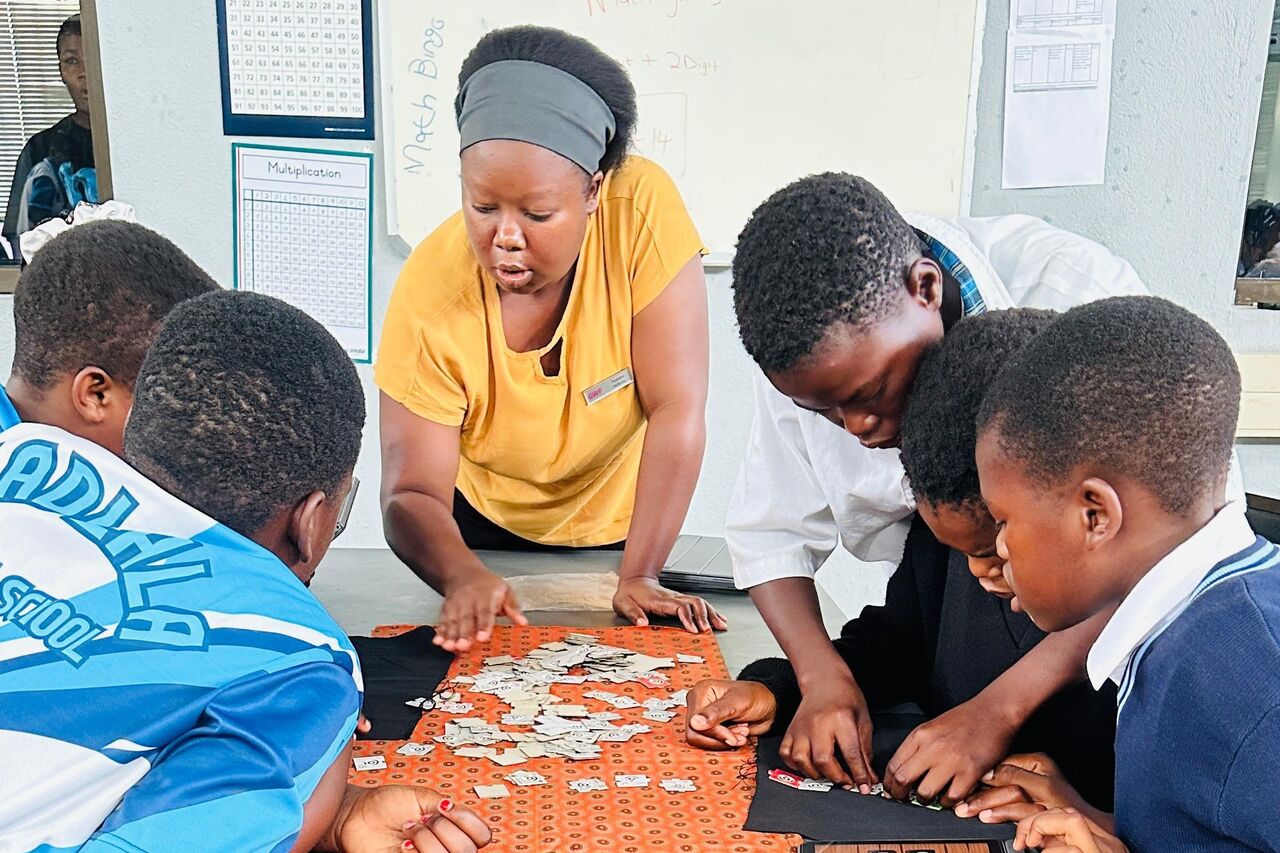
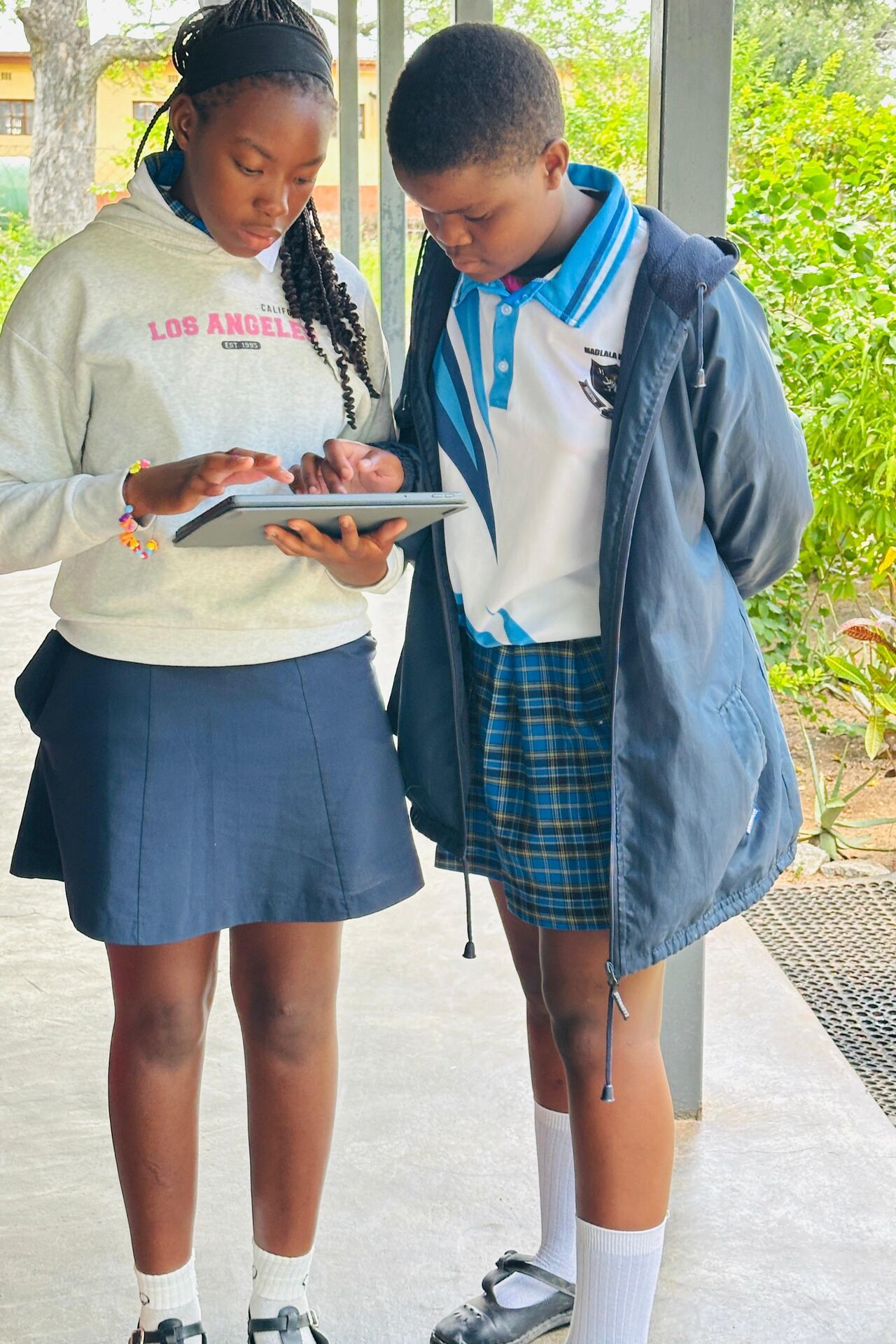
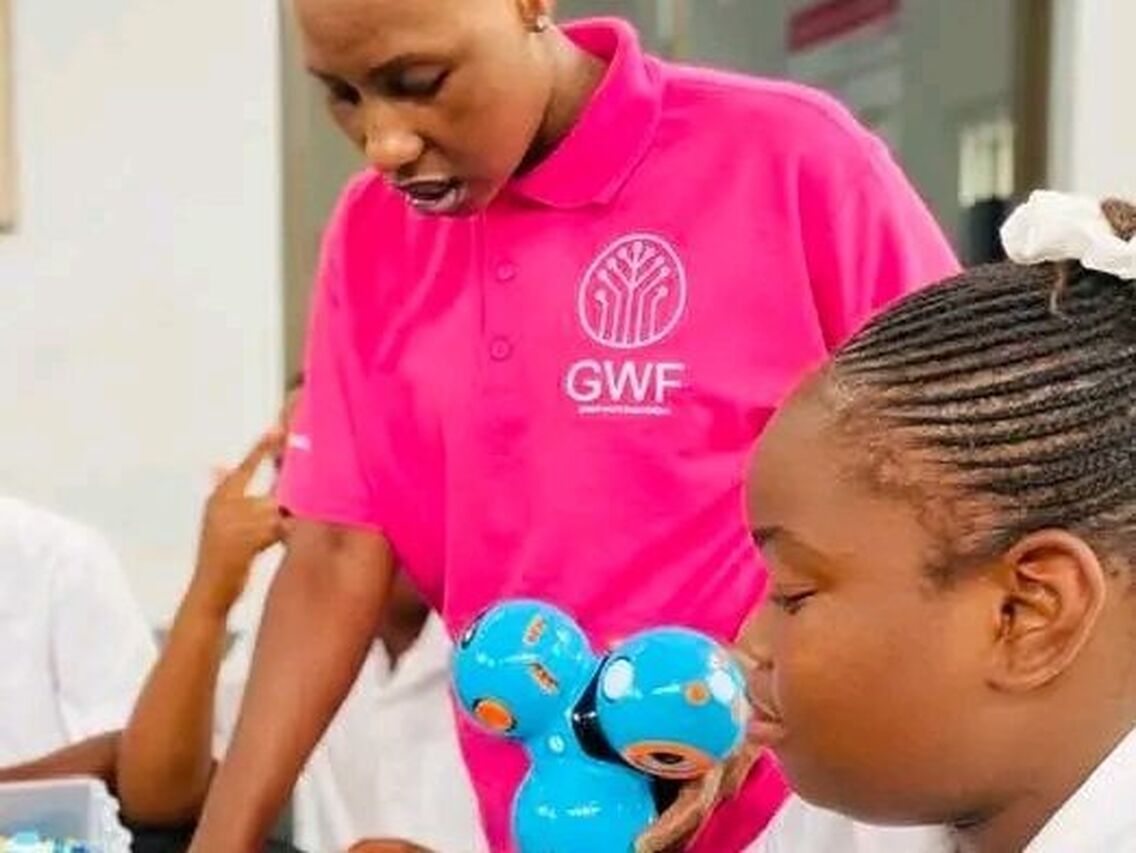
Young people learn how to program the “Dot and Dash” robots using tablets, and take part in “unplugged” or offline coding games such as Tangible’s Tanks and Rangers. Participating in Tangible Africa’s annual Coding4Mandela tournament further sharpens the learners’ computational and problem-solving skills.
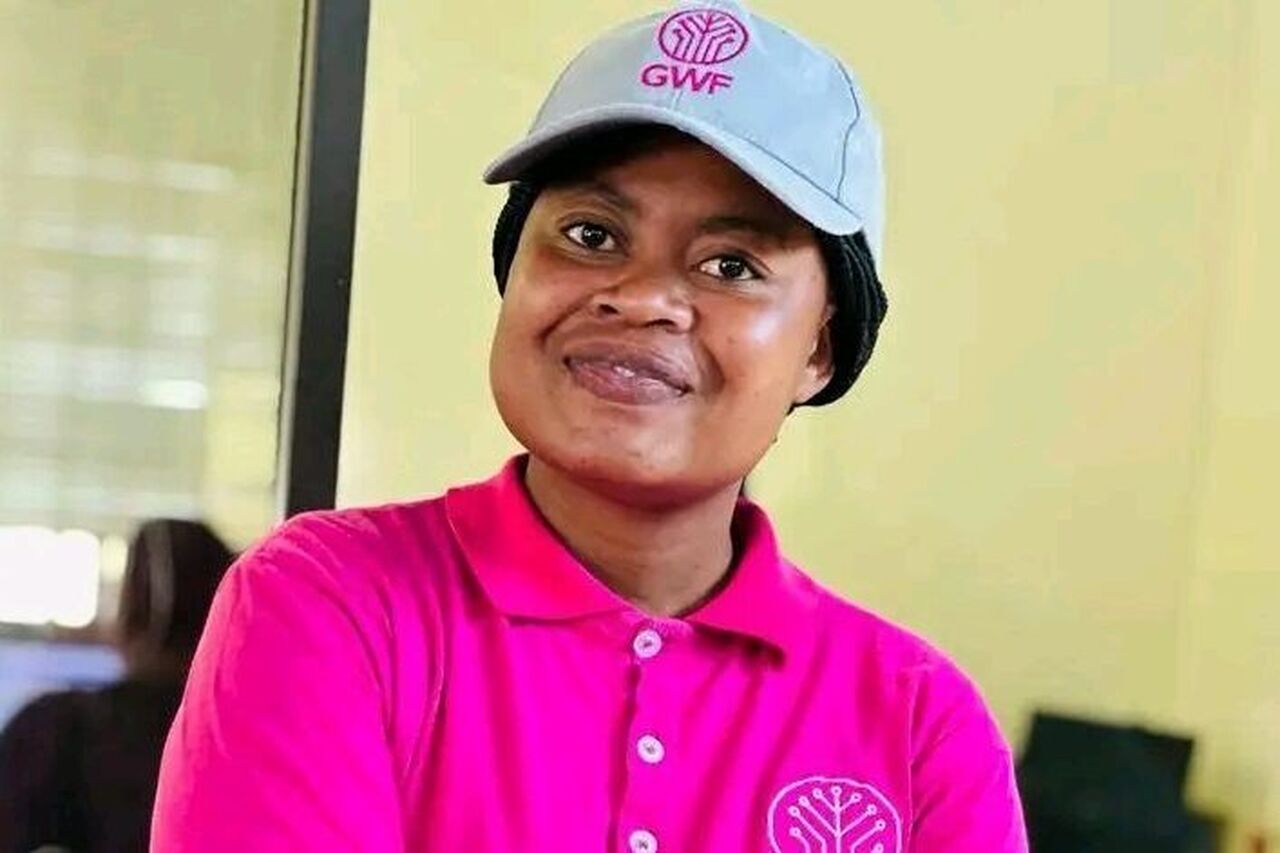
Jabulile Khumalo, an Open Learning Academy facilitator at GWF’s Justicia campus, agrees that the teens are “responding positively” to the coding and robotics programme and that engagement levels are high.
“They are showing clear interest by participating in the activities and paying attention during sessions. Many of them demonstrate curiosity by asking questions and showing eagerness to learn more,” she relates.
She says it’s gratifying to see young people’s confidence blossom as they take initiative and actively try out the apps and games, making the learning experience more meaningful and enjoyable for them.
‘Solving real-world problems’
Relebogele Ntandane (13), a learner at Madlala High School, says experimenting with coding and robotics fires up her imagination.
Would she consider it as a career? “Yes, because I enjoy designing solutions that don’t just exist on the screen, but can move, interact and solve real-world problems. For me, these skills open doors to industries that are rapidly growing and shaping the future,” says Relebogele.
GWF coding and robotics programme coordinator Ubisi hopes her enthusiasm for STEM is rubbing off on youngsters. “Seeing the learners coding using tablets with confidence makes me happy,” she says. “The future of the world is digital, so it’s good for them to have these skills, even if they don’t go into STEM as a career. I get so excited when I’m asked to talk to kids about coding and robotics. I really love my work.”
As South Africa celebrates its inaugural National Science Month in July under the theme “Science, Technology and Innovation are for Everyone”, GWF continues to embody that rallying call by giving rural learners the opportunity to experience the wonders of science and technology in action – bringing careers in these fields within reach.