How GWF’s Gen Z students and graduates are turning rural opportunities into real income
With thriving small businesses selling everything from personalised gift hampers to mouthwatering loaded fries, the young women of Bushbuckridge are showing that if you have guts, persistence and entrepreneurial drive, you can make a decent living.
Refusing to become yet another unemployment statistic, more Generation Z go-getters in this rural part of Mpumalanga are starting their own micro-businesses – either as a primary source of income or as a side hustle. They say this gives them the independence and flexibility to juggle studying, caregiving and contributing to their households.
The Good Work Foundation, recognising the potential of young entrepreneurs to revitalise rural economies, has included interactive, practical entrepreneurship training in its Bridging Year Academy (BYA) curriculum for school-leavers.
Says BYA manager Ntsako Mandlazi, “Research shows that in South Africa’s informal economy, more than 50% of businesses are owned by women. Many of our female students are leaning towards entrepreneurship, so they can be self-sufficient. We encourage them to hone their skills, because we know that those who start businesses create work for themselves and others.”
To celebrate our women during and beyond Women's Month, we decided to shine a spotlight on three GWF students and graduates who are tapping into the rural economy with their entrepreneurial ventures.
Khensile Mhlaba (30) – Khensi’s Gift Hampers
Khensile is a Bridging Year Academy student at our Lillydale campus who came up with the idea of creating gift hampers after watching trending TikToks of white polar bear mascots delivering goodies to delighted recipients.
“That gave me the courage to start. I started creating affordable gift hampers because I know that even though many people are not working, they love spoiling their loved ones on special occasions.” She sells snack hampers and personalised hampers with toiletries, clothing and food items.
“My business is growing day by day,” says Khensile. “At first, I had maybe two clients a week, but now I have three or four a day. It’s more than a business to me because I love seeing people’s reactions when they receive one of my hampers. In the future, I would like to partner with bigger stores to display and sell my hampers.”
She credits her GWF entrepreneurship training with helping her learn how to save, budget and reinvest profits in her business. A mother of one, Khensile says she’s able to support her family with the little she earns, because she’s working from home, which saves on costs.
Her advice for other entrepreneurs? “To start where they are with what they have, and to start with what they love. Because if you’re doing something out of love, you’ll go far with it, but if you’re doing it just for money, you won’t go anywhere.”

Justine Mabuza (24) – Fragrant Moments
Justine, a GWF student in the village of Justicia, started her micro-enterprise selling fragrances and personal care products last year after completing a teaching internship.
And, happily, her business has taken off.
“I’ve always loved perfume,” says Justine.
“That, and the fact that we don’t have nearby stores where we can purchase fragrances, is why I decided to start a business. I order my products online and sell them at an affordable price, but I still make a profit.”
Armed with newfound insights from her GWF training on how to budget, she has learned that it’s best to start small and scale your business.
“I see my business as something that can grow in the years to come, because I already have more customers than I could have imagined.
"My customer base is growing, as I promote my business on Facebook, so I would eventually like to employ others from nearby villages to help me out, particularly with deliveries.”

Jonella Sibiya (19) – Yaya’s Goodies
For Dumphries resident Jonella, who graduated from GWF last year and is studying teaching through Unisa, entrepreneurship runs in her blood. “I used to help my mother sell snacks and didn’t realise it was a big deal at the time, but it was actually something we survived on,” she relates.
So, this year, she took the plunge and opened her own tuck shop. “It’s so I can be self-sufficient and independent,” she says.
“I saw that there’s no fast-food-type shop near where I stay, so I decided to sell chips and other snacks. So, when people don’t want to cook, they can come and buy from me.” Her menu options range from “loaded fries” (smothered in sauces) to homemade mini scones.
But it hasn’t all been plain sailing. Jonella faces power outages that put the brakes on cooking, fluctuating prices for potatoes and oil, and no card machine for payments. However, she is saving up for a Speedpoint device.
Says Jonella, showing wisdom beyond her age, “It’s not easy being an entrepreneur – there are problems customers don’t see.
"But I’ve realised that even with challenges, I can now sustain myself and I don’t have to depend on anyone else. That’s the biggest lesson I’ve learnt from this journey.”
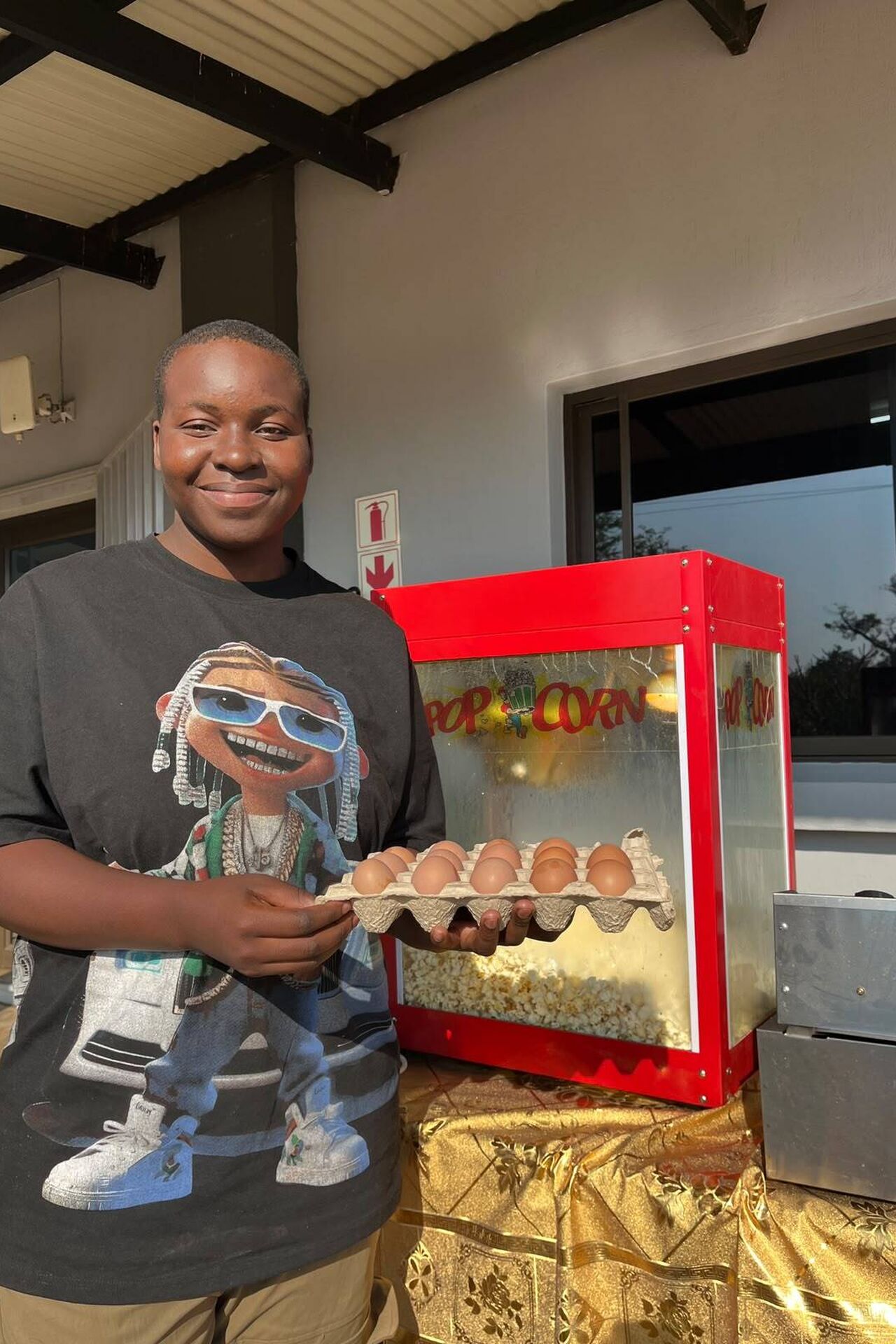


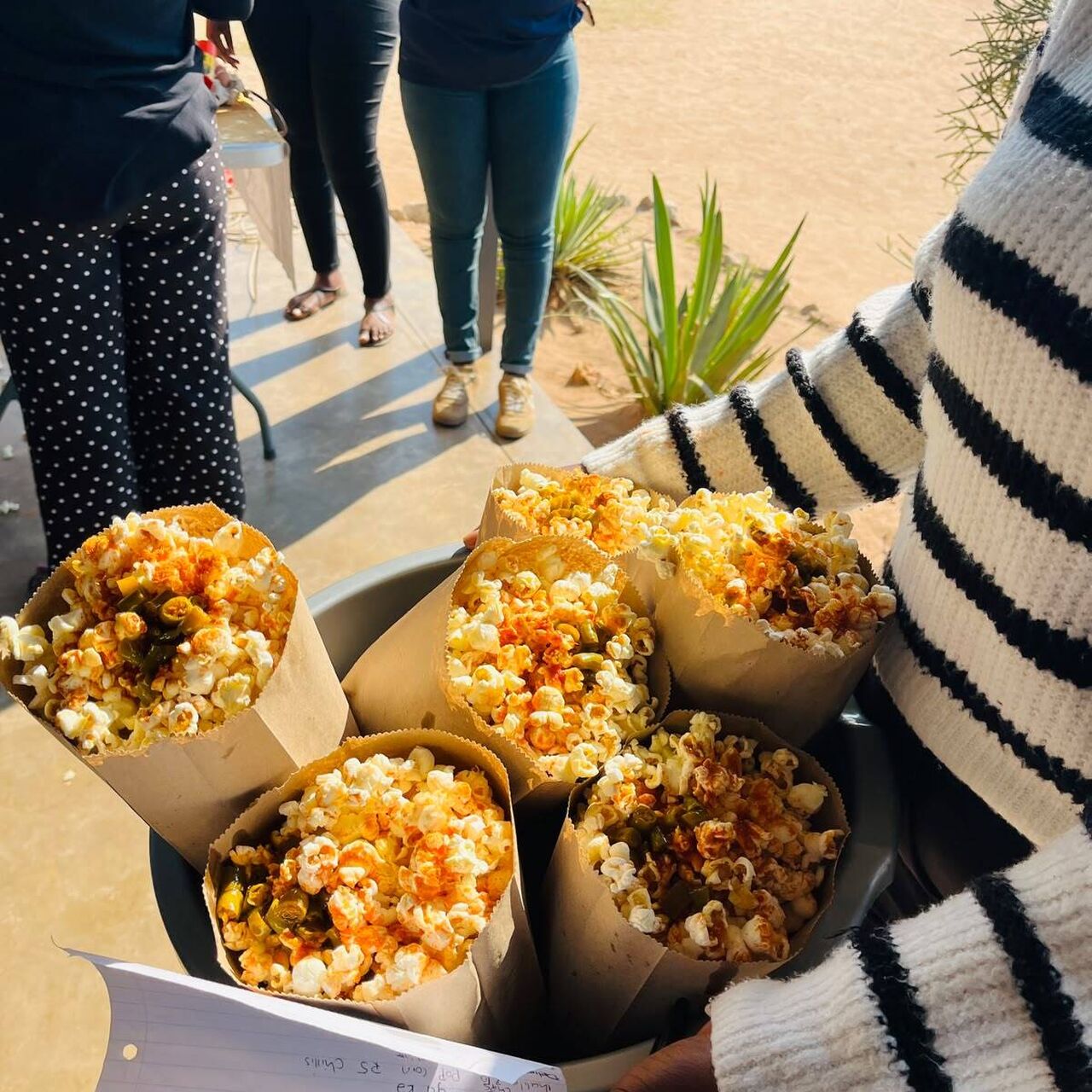
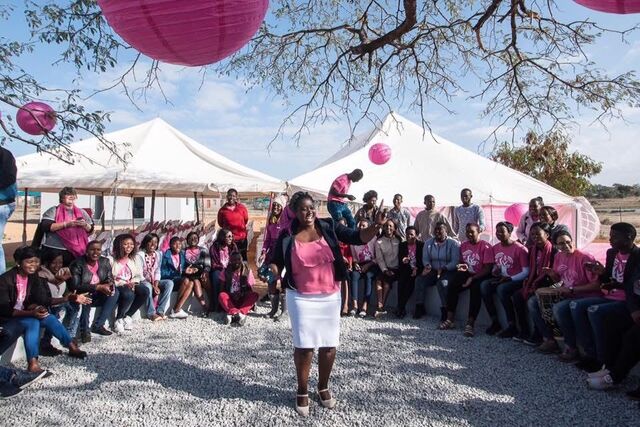
GWF students and graduates are making, baking and creating products that are proving popular in their rural communities.