THEN AND NOW: The South African Woman
by Lydia Gwambe
My grandmother woke up before the sun. Every single day.
She had to fetch water, make the fire, cook for everyone, get the kids ready for school, work in the field, and still have supper ready by six. Her world was very small. But her strength? Huge.
If you ask a gogo today what a woman's place was back then, she'll just say, "in the house." Not because she didn't have dreams. It's because society didn't give her a choice.
Now look at her granddaughter.
She wakes up to a phone alarm. She checks emails before her feet even touch the floor. She drops the kids at creche, sits in boardroom meetings, leads teams, and still has to figure out what's for dinner. Her world is bigger, yes. But so is the pressure.
Today's woman is not just a wife and mother. She's a CEO. A pilot. A miner. An entrepreneur. She has her own bank account, she owns property, she can vote, she can leave a marriage that is not working. Things our grandmothers couldn't even dream of.
So has life become easier? I'm not so sure.
When Women Had to Be Silent
Our grandmothers were taught to be strong by keeping quiet. "Bekezela" - endure. That was the word. Many stayed in painful marriages because leaving brought shame to the family. Many didn't finish school, not because they were not clever, but because their brothers had to be educated first.
They were the pillars of our homes. But nobody really saw them.
When Women Decided to Speak
The woman of today has been told to speak up. Take up space. Have it all.
And we are trying. You see her everywhere now. On TikTok selling products from her kitchen. In Parliament making laws. At university graduating while carrying a baby on her back.
But let's be honest, it's a double burden. At work she must perform like a man, at home she must still care like her grandmother. If she chooses her career, people say she has forgotten her children. If she chooses her children, people say she is wasting her degree. She is free, but that freedom can be exhausting.
Our grandmothers were fighting just to survive. We are fighting to find balance, to be respected, to know who we really are outside of being everything to everyone.
And Then You See GWF Women
This is why what is happening at Good Work Foundation in Mpumalanga gives me so much hope.
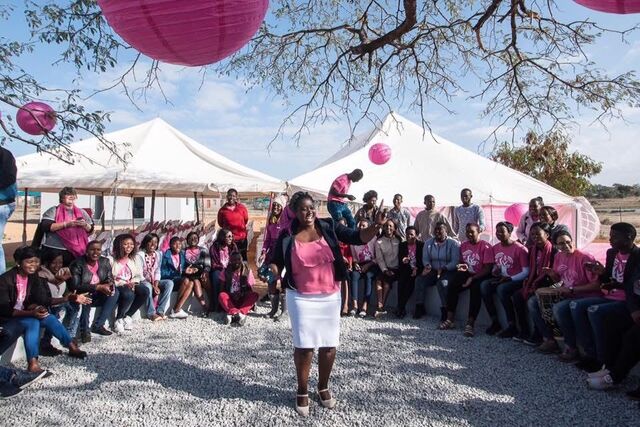
There you find women who are not waiting for someone to give them a chance. They are taking it. They are leading.
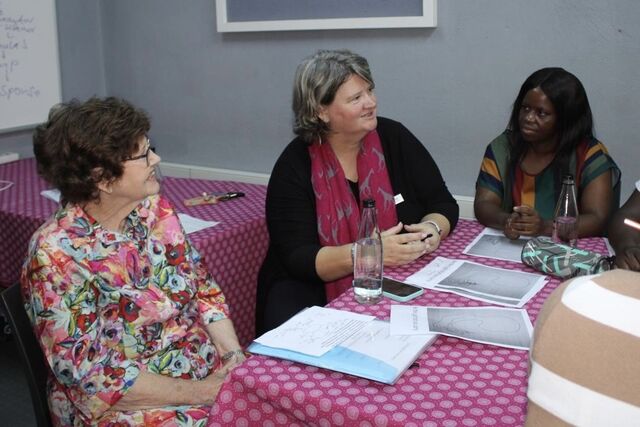
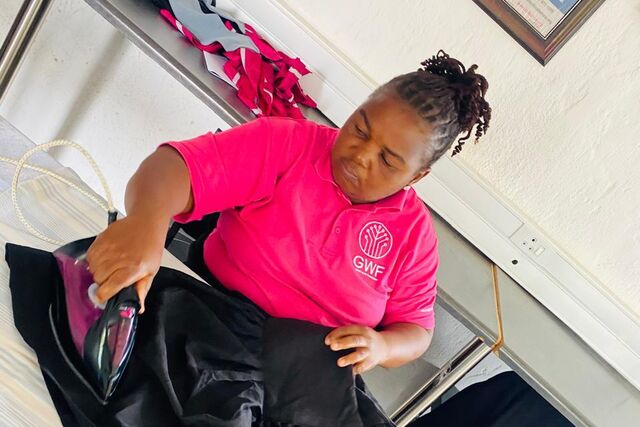
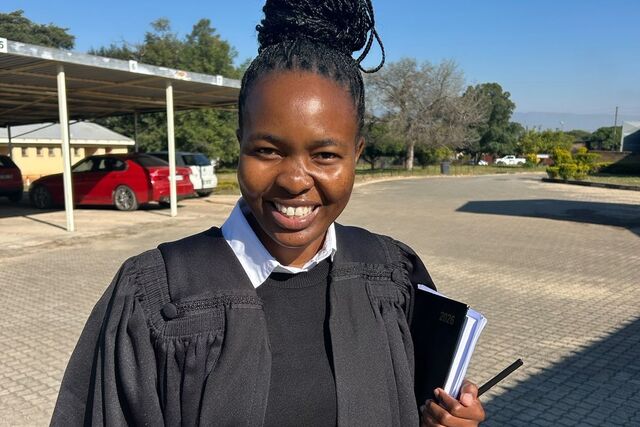
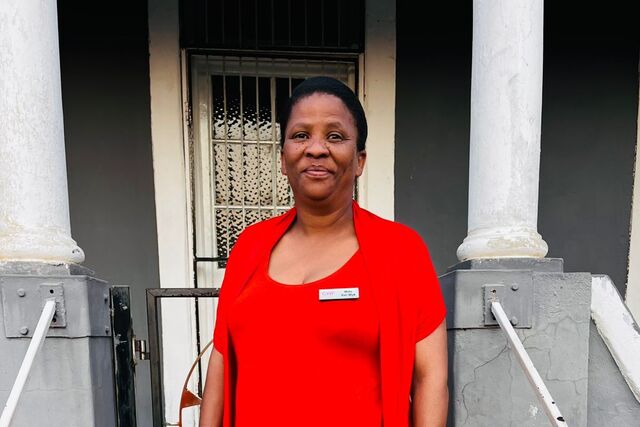
In those rural villages, it is women who are running the campuses, leading teams, teaching, making decisions. They are teachers, they are tech leaders, they are managers. They have taken charge of their surroundings and they are changing their communities from the inside. When you empower one woman there, you empower an entire village.
Young girls there can now look up and see a leader who looks exactly like them. That is powerful.
We Are Connected
But when you sit a gogo and her granddaughter down together, you realise they are not that different.
Both want to be loved. Both want to be respected. Both want their children to be safe. Both are just tired of being underestimated.
The only real difference is this: Our grandmothers wanted a better life for their daughters. We want a better life for ourselves. And we have finally stopped feeling guilty about wanting it.
I see myself in this story too. I am a perfect example of today's woman. I work, I write, I study, and I still have to show up for my team and my community every single day. It's not always easy to balance it all, but I do it because I know I can, and because the women before me made it possible.
So this Women's Month, let's not debate who had it harder.
Let's thank the women of yesterday for laying the foundation. And let's celebrate the women of today, like those at GWF, for building the house.
We are not competing with our grandmothers. We are their answered prayers.